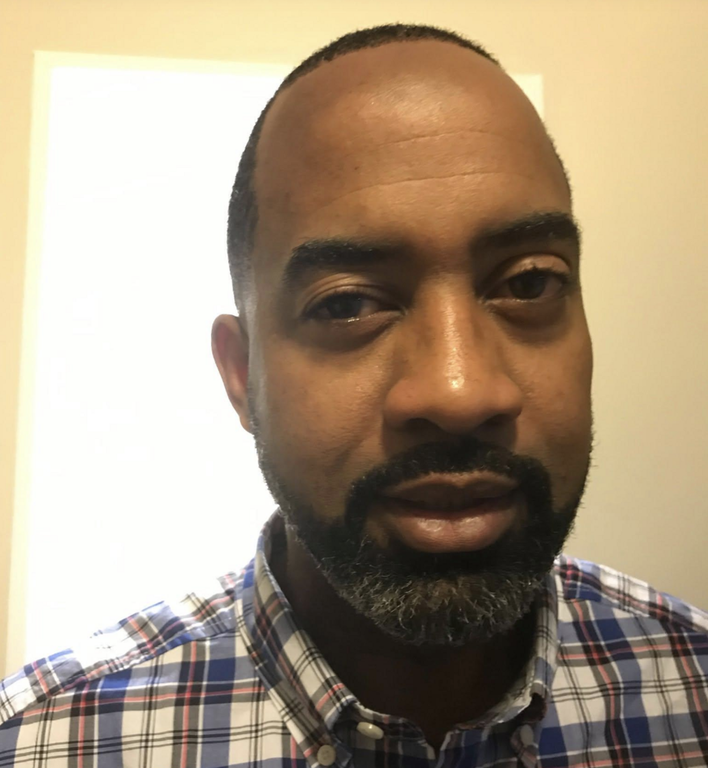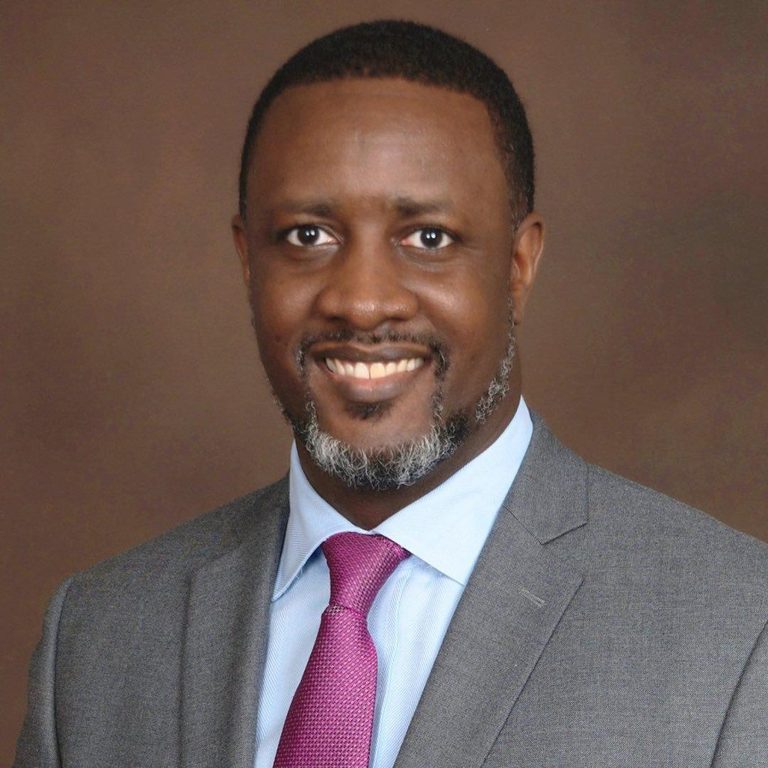
David Hatley, an independent candidate with no party affiliation and no donors, is running for Tennessee governor in the 2026 general election. He has loaned his campaign $7 million and spent just shy of $1 million on advertising, according to the Nashville Banner.
Fourteen other candidates are also on the ballot, according to BallotReady election data. They include Marsha Blackburn (Republican) and Jerri Green (Democratic). The remaining independents are Charles Van Morgan, Dave Seeman, Dean Brewer, Eddie Lee Murphy, Karl Knox Smithson, L. Webb Taylor, Lauren Pinkston, Misam Abidi, Ray Brown, Robert C. Vick, Victor L. Scoggin and Wendell Jackson.
This profile is based on Hatley's questionnaire responses and his campaign website. Positions are attributed to the candidate unless otherwise noted.
Candidate information
- Name: David Hatley
- Party: Independent
- Office sought: Tennessee Governor
- Election date: Nov. 3, 2026
- Hometown: Elizabethton, Tennessee (Carter County), according to his campaign website
- Campaign website: hatleyforgovernor.com
Hatley said he started his first business at age twelve and opened his first retail store at eighteen. He said he has built nine companies, holds 11 patents and operates 740,000 square feet of Tennessee manufacturing.
His hot tub company, Whisper Outdoor, is what he calls the No. 1 hot tub manufacturer in America. It employs approximately 750 Tennessee workers, according to his campaign website.
After rebuilding from the 2008 financial crisis, Hatley said he established an Employee Stock Ownership Plan so that workers became co-owners. Hatley said they gained the potential to become millionaires. He has served as chief executive officer of Whisper, LLC since 2009, according to BallotReady.
Experience and public service
- Founder / Builder, Whisper Outdoor (hot tub manufacturing)
- Chief Executive Officer, Whisper, LLC (2009–present), per BallotReady
Hatley authored a book titled "Tested in Tennessee," available as a free download on his campaign website.
On the issues
Affordable housing: Hatley said Tennessee is roughly 120,000 starter homes short. He said he would provide infrastructure grants with conditions: the state helps pay for water, sewer and road work. In exchange, communities would set aside 5–10% of new developments for homes priced at $250,000 or less. He also said he would roll back building code changes that added cost without improving safety.
Government accountability: Hatley said he would create an independent, nonpartisan state auditor elected statewide, required to hold a certified public accountant credential or equivalent. The auditor would have authority to conduct forensic and performance audits, subpoena records and protect whistleblowers.
He said he would rebuild Tennessee's spending portal so every legally disclosable contract, grant, amendment and payment is posted within 30 days. He said the requirement would be codified in law so a future administration cannot turn it off.
Education and literacy: Hatley said his goal is for Tennessee to reach the top ten nationally in reading within four years, as measured by the National Assessment of Educational Progress. He said he would place full-time reading coaches in the 100 lowest-performing elementary schools. He said he would end waitlists in the five highest-demand Tennessee Colleges of Applied Technology programs: welding, mechatronics, practical nursing, industrial maintenance and HVAC.
Data centers and economic development: Hatley said he would impose a moratorium on new data center approvals until Tennessee writes new rules. He said he would end payments in lieu of taxes and abatements. Under his plan, at least half of new data center tax revenue would go to cutting property taxes for homeowners in the host county. Companies would pay for their own power and water infrastructure.
Public safety: Hatley said he would clear the crime-lab backlog, hire detectives and forensic scientists, and expand the Tennessee Bureau of Investigation's violent-crime team. He said he would triple the bureau's drug division from 48 to approximately 150 agents and require medication-assisted treatment in every county jail.
Voters can find more information at their county election commission or at BallotReady, a nonpartisan election-information site.